

In March 2024, Access Bank of Nigeria signed a binding agreement to acquire 100 percent of the National Bank of Kenya from KCB Group, a transaction valued at approximately $109.6 million that navigated Central Bank of Kenya approval, Competition Authority of Kenya clearance, and the regulatory frameworks of two jurisdictions before completing in May 2025. Earlier that year, a Nigerian fintech unicorn took a 78 percent stake in Sumac Microfinance Bank, gaining a CBK-licensed vehicle and an instant foothold in Kenya’s SME lending market. In October 2025, KCB Group announced a minority stake acquisition in Pesapal, Kenya’s largest payment processing platform, its second fintech acquisition in twelve months, following its March 2025 purchase of 75 percent of Riverbank Solutions for KES 2 billion.

Kenya’s M&A market is not in a quiet period. It is in one of its most active cycles in a decade, driven by sector-specific consolidation pressures, a wave of foreign capital targeting East Africa, and CBK-mandated recapitalisation requirements forcing a binary choice on smaller banks: grow through acquisition or be acquired.
Understanding how mergers and acquisitions in Kenya actually work, the structures, the legal process, the regulators, and the real risks that derail deals, is no longer a niche concern. It is essential knowledge for every business owner, investor, and deal professional operating in this market.
This is the complete guide.
Table of Contents
What Counts as a Merger or Acquisition Under Kenya Law?
The Competition Act 2010 defines a merger broadly: any acquisition of shares, business, or other assets, whether inside or outside Kenya, resulting in a change of control of a business, part of a business, or an asset of a business in Kenya. Control, under the Act, means the ability to materially influence the strategic or policy decisions of an entity, not just a majority shareholding.
This is a wider definition than most buyers and sellers expect. A minority acquisition can constitute a merger under Kenyan law if it confers material influence. A joint venture that performs all the functions of an autonomous economic entity for ten or more years is also deemed a merger. The threshold question, does this transaction require regulatory notification, is almost always the first question your legal team must answer.
The four primary M&A structures used in Kenya:
Share purchase. The acquirer buys shares in the target company directly from its shareholders. The target company’s contracts, licences, employees, and liabilities transfer with the shares, they remain with the entity. This is the most common structure in Kenya’s banking and fintech sectors. The Access Bank/NBK transaction was a 100 percent share purchase.
Asset purchase. The acquirer buys specific assets, equipment, contracts, intellectual property, customer lists, rather than the company itself. Liabilities generally remain with the seller unless specifically assumed. Used in distressed situations (including the acquisition of retail assets when Nakumatt collapsed in 2018) and in transactions where the buyer wants to avoid inheriting the target’s legal history.
Amalgamation. A formal merger of two companies into a single legal entity under Part XXVII of the Companies Act 2015. Less common than share or asset purchases, but increasingly used in banking sector consolidation. The former merger between Commercial Bank of Africa and NIC Bank in 2019, creating NCBA, was structured as an amalgamation, producing what is now Kenya’s fourth-largest bank by assets.
Joint venture. Two or more parties establishing a new or existing entity to pursue a shared commercial objective. As noted, a JV of sufficient duration and commercial autonomy is treated as a merger under Kenya law and may require CAK notification.
The State of M&A in Kenya: Why 2026 Is a Defining Year

Three structural forces are simultaneously shaping Kenya’s M&A landscape.
- Banking sector consolidation under CBK’s capital requirements. The Central Bank of Kenya has been systematically raising minimum capital requirements for commercial banks, placing mid-tier lenders under significant pressure. Banks below the capital threshold face a clear choice: raise fresh capital (difficult in the current environment), merge with a stronger institution, or accept acquisition. This has produced a pipeline of smaller banking deals, each typically valued between $10 million and $30 million, running in parallel with the headline transactions that attract press coverage. Rumours of advanced merger discussions between Stanbic Bank Kenya and NCBA circulated through 2025. FirstRand Group of South Africa has publicly signalled its intention to enter the Kenyan market through acquisition, with CEO Mary Vilakazi stating in August 2025: “We’d like to go to Kenya, they have increased capital requirements, hopefully we’ve got an opportunity there.”
- Foreign strategic investors targeting Kenya as an East Africa gateway. Nigerian banks, Access Bank, Zenith Bank (reportedly in advanced acquisition talks as of late 2025), and South African groups are all treating Kenya as the entry point for a broader East Africa expansion strategy. Nigerian fintech companies are acquiring Kenyan regulated entities specifically to access CBK-issued licences: a PSP licence, an EMI licence, or a microfinance bank charter takes years to obtain independently and can be acquired in months through a targeted acquisition. The KCB/Pesapal transaction followed this logic in reverse, a bank acquiring a fintech’s regulatory positioning and merchant network.
- The emergence of the East African Community Competition Authority. From November 1, 2025, a new mandatory notification regime has been operative for cross-border transactions in East Africa. The East African Community Competition Authority (EACCA) requires notification for any merger where the combined turnover or assets of the merging parties in the EAC region equals or exceeds USD 35 million, and at least two parties have combined EAC turnover or assets of USD 20 million or more. This is an entirely new layer of regulatory compliance for regional deals that did not exist eighteen months ago, and one that many deal teams in Nairobi are still absorbing.
The 9-Step Legal Process for Mergers and Acquisitions in Kenya
Step 1: Transaction Structuring — Share, Asset, or Amalgamation?
The structure decision is made before any document is drafted, and it has downstream consequences for tax, employee obligations, licence transfers, and the regulatory approval pathway. A share purchase transfers the entire legal entity, including its CBK, CMA, or Communications Authority licences. An asset purchase transfers only what the parties specifically agree. In Kenya, a share purchase typically creates a CGT liability on the seller (currently 5 percent of net gain on unlisted shares), while an asset purchase may trigger VAT on certain transferred assets. The Finance Bill 2026 proposes further modifications to CGT treatment in specific transaction structures, including exemptions for property transferred into a registered REIT. Before any term sheet is issued, your legal team and tax advisors must model the after-tax outcome of each structure for both parties.
Step 2: Non-Disclosure Agreement and Deal Confidentiality
An NDA establishes the framework for the pre-deal information exchange. In Kenya’s deal market, particularly in banking and fintech, where competitor intelligence and customer data have significant commercial sensitivity, an NDA with teeth matters. It should include specific carve-outs for information that becomes public independently, clear duration provisions for the confidentiality obligation, and, for cross-border deals, confirmation of applicable law and jurisdiction.
Step 3: Letter of Intent or Term Sheet
The letter of intent (LOI) or term sheet sets out the principal commercial terms before legal documentation begins: the proposed consideration, the deal structure, conditions precedent (including regulatory approvals required), exclusivity period, and timeline. In most Kenyan deals, the LOI is non-binding on the core commercial terms but binding on exclusivity and confidentiality. The exclusivity provision, which prevents the seller from negotiating with competing buyers for a defined period, is often the most actively negotiated element at this stage.
Step 4: Legal, Financial, and Regulatory Due Diligence

Due diligence in Kenya is materially more complex than in many comparable markets, for three reasons: the regulatory environment is multi-layered (multiple sector regulators operating in parallel), compliance culture among target companies is uneven (KRA and NSSF obligations are frequent areas of undisclosed liability), and data quality in private companies is inconsistent.
A comprehensive M&A due diligence in Kenya covers:
Corporate and structural. The company’s history, share register, shareholder agreements, and constitutional documents. Confirm the legal authority for the proposed transaction and identify any share option plans or pre-emption rights that must be waived.
Contracts and commitments. Material customer contracts, supplier agreements, leases, and any change-of-control provisions that might be triggered by the transaction. A common pitfall: commercial contracts that contain change-of-control clauses requiring third-party consent — consent that can be withheld or negotiated as a condition of the deal.
Tax and KRA compliance. Kenya’s KRA is an active enforcement authority. Target companies frequently carry undisclosed liabilities from payroll tax, PAYE, withholding tax, VAT, and import duties. Tax due diligence should go back at least five years and should specifically examine whether the company is KRA-compliant on its digital services tax obligations under the Finance Act, a relatively new obligation that many smaller companies have not fully integrated.
Employment and NSSF/NHIF. Kenya’s Employment Act provides significant protection for transferred employees. The acquisition of a business or its assets does not automatically terminate employment contracts — employees transfer on their existing terms. NSSF and NHIF arrears are common in Kenyan private companies, and they transfer with the deal. The amended NSSF Act 2013’s new contribution structure has added complexity here that deserves specific diligence focus.
Licences and regulatory standing. Confirm that every material licence, permit, and regulatory approval held by the target is current, not subject to conditions that the transaction might breach, and transferable (where an asset purchase is being contemplated).
Data and privacy. The Office of the Data Protection Commissioner (ODPC) enforces Kenya’s Data Protection Act 2019. Any target company handling significant customer data, which in Kenya’s fintech and financial services sectors means most of them, requires a data privacy due diligence review. The transfer of personal data in an M&A transaction has specific regulatory implications that were, until recently, largely ignored in Kenyan deal practice.
Intellectual property. For technology companies, fintech platforms, and businesses with proprietary systems, confirm that software, trademarks, and domain assets are properly registered and owned by the target, not by a founder individually.
Step 5: Sale and Purchase Agreement (SPA) Negotiation
The SPA is the governing document of the transaction. In Kenya, SPAs for significant transactions typically run to 60–120 pages and address: the consideration mechanics (fixed price, completion accounts, or locked-box), representations and warranties given by the seller, the indemnification regime, conditions precedent to completion, and restrictive covenants binding the seller post-completion.
Warranty and indemnity insurance is still relatively nascent in East Africa’s deal market but is increasingly available for larger transactions, typically those above $20 million. For deals below this threshold, the indemnity negotiation between buyer and seller remains the primary risk allocation mechanism, and the quality of that negotiation determines the buyer’s actual exposure to the target’s undisclosed liabilities.
Step 6: Competition Authority of Kenya (CAK) Notification
This is the step that most deal teams in Kenya either handle late or handle incorrectly.
Under the Competition Act 2010, mergers where the combined annual turnover or combined assets of the merging firms exceed KES 1 billion require mandatory notification to the CAK before implementation. Closing a notifiable transaction without CAK clearance is a criminal offence and renders the transaction voidable.
The CAK’s review process operates on the following timeline:
- Acknowledgement of receipt: within 3 working days
- Phase I review (no material competition concerns): determination within 60 days of receipt of complete information
- Phase II review (complex transactions requiring deeper analysis): 60 to 120 days
- Further information request: CAK may request additional information within 30 days, after which the clock resets
For transactions below the KES 1 billion threshold, an exclusion application can be submitted to the CAK for formal confirmation that approval is not required, useful where parties want certainty before completion.
The EACCA layer for cross-border deals. From November 1, 2025, any transaction with an EAC cross-border dimension and combined regional turnover or assets exceeding USD 35 million requires separate notification to the East African Community Competition Authority. This is not an alternative to CAK notification, it is additional. Deal timelines for regional transactions must now account for parallel EACCA and national competition authority review processes.
Step 7: Sector-Specific Regulatory Approvals
Beyond the CAK, the following sector regulators require approval or notification for M&A transactions in their respective industries:
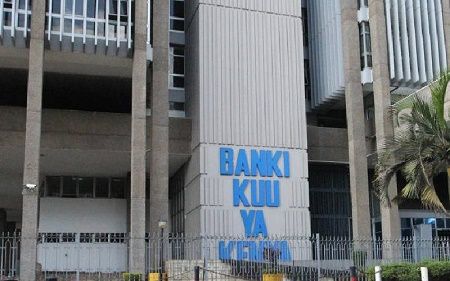
Central Bank of Kenya (CBK): Acquisitions of any interest in a bank, microfinance institution, or payment service provider require CBK prior approval. The CBK conducts a fit and proper assessment of the acquirer. The Access Bank/NBK transaction required CBK clearance, which was obtained, alongside CAK notification.
Capital Markets Authority (CMA): Takeovers of companies listed on the Nairobi Securities Exchange are governed by the CMA’s Takeover Regulations, which impose mandatory offer requirements once a shareholding threshold is crossed.
Communications Authority: Transactions affecting licensed telecoms operators, internet service providers, or broadcast licensees require CA approval. Safaricom’s ownership changes and Airtel Kenya’s various corporate restructurings have all required CA engagement.
Energy and Petroleum Regulatory Authority (EPRA): Acquisitions in the energy sector, including petroleum retail, electricity generation, and renewable energy, require EPRA notification and, in some cases, approval.
Office of the Data Protection Commissioner (ODPC): Large-scale transfers of personal data in M&A transactions are subject to the Data Protection Act 2019. This is a regulatory layer that is actively enforced and increasingly material in technology and financial services deals.

Step 8: Conditions Satisfaction and Pre-Completion
Between signing the SPA and completing the transaction, both parties must work through the conditions precedent, typically regulatory approvals, third-party consents, and any specific undertakings given by the seller. This period can take anywhere from 30 days (for a sub-threshold deal with no sector-specific approvals) to 12–18 months (for complex banking transactions requiring multiple regulatory reviews). Managing the conditions satisfaction process is substantive legal work: tracking deadlines, managing regulatory engagement, securing third-party consents, and maintaining the deal’s commercial logic as the clock runs.
Step 9: Completion, Post-Signing Integration, and Post-Completion Filings
Completion — the moment when the shares or assets legally transfer — is not the end of the legal work. It is the beginning of a separate set of obligations.
Company filings with the Business Registration Service (BRS) must reflect the new ownership structure. KRA must be notified of the transaction for CGT assessment purposes. NSSF and NHIF records must be updated. Where the transaction involved regulated entities, the relevant sector regulator typically requires a post-completion notification confirming that the transaction has completed in accordance with the approved terms.
Post-completion integration, harmonising employment terms, renegotiating contracts, and managing operational transition, generates its own legal workload that is frequently underestimated by buyers who close a deal and declare victory. The employment transfers alone, governed by Kenya’s Employment Act, require careful management of terms, notice obligations, and benefits continuity.
Finance Bill 2026: What Changes for M&A Transactions in Kenya
The Finance Bill 2026 introduces several provisions material to M&A transactions:
CGT on share sales. Kenya’s capital gains tax of 5 percent applies to gains on the transfer of unlisted shares. The Finance Bill 2026 proposes modifications to how gains are calculated in specific transaction structures, with exemptions proposed for transfers into registered REITs.
Tax structuring and the asset vs share decision. The Bill introduces changes to the VAT treatment of certain asset transfers and modifies stamp duty obligations on some transaction types. For deals in process during 2026, the tax modelling must account for both the current regime and the proposed changes, and for the possibility that provisions change between tabling and enactment.
Data as an asset. The ODPC’s increased enforcement posture in 2025–2026, combined with Finance Bill 2026 provisions around digital services taxation, means that technology and fintech acquisitions now carry a material data compliance and digital tax dimension that simply did not exist in Kenya’s M&A market three years ago.
What Separates Successful M&A Transactions in Kenya from Failed Ones
The deals that close cleanly and deliver the expected value share a pattern. The ones that fail, or complete but generate expensive disputes, share a different one.
Deals that go wrong in Kenya typically do so at one of four points: due diligence that was rushed or narrowly scoped (tax and employment liabilities are the most common sources of post-completion surprise), CAK notification that was filed late or incorrectly (regulators in Kenya have long memories), SPA indemnity provisions that were inadequately negotiated (leaving the buyer exposed to liabilities that were knowable at signing), and post-completion integration that was underplanned (employees who resign in the first 90 days, contracts that were not novated, licences that lapsed because nobody was managing them).
The deals that succeed are distinguished not by the absence of complexity, Kenya’s M&A market produces complex transactions, but by the quality of legal and advisory teams managing that complexity from term sheet to integration.

Thomas Louis Advocates advises buyers, sellers, and investors on M&A transactions across Kenya and East Africa, from initial deal structuring and due diligence through CAK and EACCA notifications, SPA negotiation, and post-completion integration. Our practice combines M&A advisory with specific sector depth in fintech, real estate, and commercial transactions, an increasingly relevant combination in a market where the most active deal activity sits at exactly those intersections.
If you are in or approaching a transaction and need counsel that understands Kenya’s regulatory environment from the inside, contact our M&A team here.
Frequently Asked Questions
What are the CAK notification thresholds for mergers and acquisitions in Kenya? Under the Competition Act 2010, mandatory notification to the Competition Authority of Kenya is required where the combined annual turnover or combined assets of the merging firms exceed KES 1 billion. Transactions below this threshold may still warrant an exclusion application for formal CAK confirmation. Separately, from November 2025, cross-border transactions in East Africa with combined regional turnover or assets of USD 35 million or more require notification to the East African Community Competition Authority (EACCA) in addition to the CAK.
What is the difference between a share purchase and an asset purchase in Kenya? In a share purchase, the buyer acquires the shares in the target company, inheriting the company’s assets, contracts, employees, and liabilities. In an asset purchase, the buyer acquires specified assets only, leaving residual liabilities with the seller. The choice has significant tax, employment, and regulatory implications. Share purchases are more common in Kenya’s regulated industries (banking, fintech, insurance) because the target entity’s licences are typically not transferable in an asset purchase. Tax treatment differs materially: share purchases generally attract CGT on the seller, while asset purchases may trigger VAT on certain transferred assets.
How long does the Competition Authority of Kenya take to review a merger? The CAK acknowledges receipt of a merger notification within 3 working days. Phase I reviews (straightforward transactions with no material competition concerns) are completed within 60 days of receipt of complete information. Phase II reviews (complex transactions) take 60 to 120 days. Where the CAK requests further information, the determination is made within 60 days of receipt of that information. Completing a notifiable transaction before CAK clearance is a criminal offence under Kenyan law.
Do foreign investors need special approval to acquire a Kenyan company? There is no general foreign investment approval regime in Kenya, the country maintains an open investment policy. However, foreign acquisitions in regulated sectors require specific sector regulator approval: CBK for banking and financial services, CMA for listed companies, and Communications Authority for telecoms. From November 2025, cross-border deals meeting EACCA thresholds require notification to the East African Community Competition Authority. Foreign investors should also confirm their structure complies with any sector-specific foreign ownership limits, some regulated industries cap foreign participation.
What does due diligence on a Kenyan company typically uncover? The most frequent material findings in Kenya M&A due diligence are: outstanding KRA tax liabilities (PAYE, VAT, withholding tax) that the target has not disclosed; NSSF and NHIF arrears; change-of-control provisions in material commercial contracts requiring third-party consent; employment terms inconsistent with the Employment Act; licences that have lapsed or are subject to compliance conditions; and data privacy non-compliance under the Data Protection Act 2019. A comprehensive due diligence process must cover all of these areas, not just the financial statements and the corporate registry.
How does the EACCA affect M&A deals in Kenya from 2026? The East African Community Competition Authority became operative for merger review on November 1, 2025. Any M&A transaction with an EAC cross-border dimension, for example, a Kenyan company acquiring a Ugandan or Tanzanian target, must be notified to the EACCA if the combined EAC turnover or assets of the merging parties reaches USD 35 million and at least two parties each have USD 20 million of EAC turnover or assets. This notification is in addition to CAK notification, not a replacement for it. Deal timelines for regional transactions must now account for parallel review processes, potentially adding 60–120 days to regional transaction timelines.
What is the role of M&A lawyers in Kenya and when should you engage them? M&A lawyers in Kenya should be engaged at the earliest point in the deal process, ideally before the letter of intent is signed. The structure of the transaction, the exclusivity provisions in the LOI, and the scope of the due diligence mandate all have downstream consequences on the deal’s economics and legal risk profile. Engaging legal counsel after the SPA is presented for review is possible but expensive: by that point, commercial terms have been set and the seller’s advocate has had maximum advantage in the documentation. The earlier your M&A lawyers are involved, the better your position throughout the transaction.
[mc4wp_form id=4273]